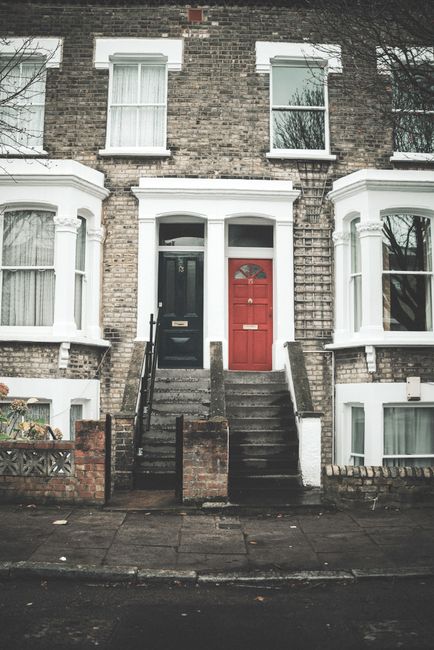
How we moved a Victorian terrace in Enfield Town under 4 hrs
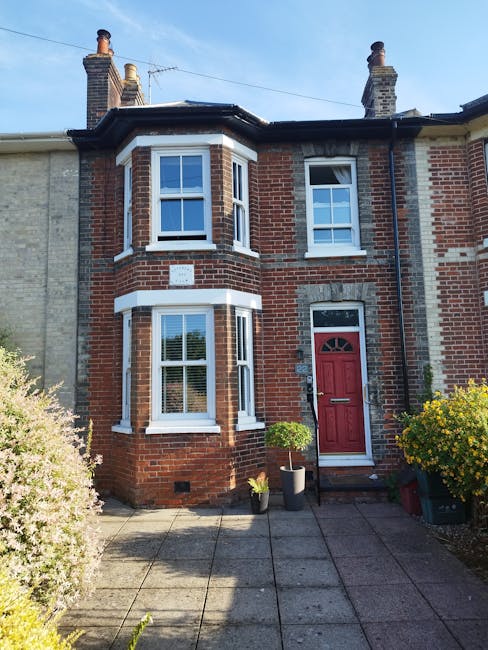
If you've ever stared at a Victorian terrace full of boxes, awkward corners, narrow stairs and one slightly terrifying front doorway, you'll know why a fast move can feel impossible. Yet that's exactly the kind of job that rewards careful planning. In this guide, we break down How we moved a Victorian terrace in Enfield Town under 4 hrs, what made the schedule work, and how to avoid the usual chaos that slows house moves down. The aim here isn't magic. It's practical sequencing, local knowledge, and a calm approach when the kettle is still packed somewhere unknown.
Whether you're moving across Enfield Town or heading out of the borough, the same rules apply: reduce carrying distance, protect fragile items early, keep the loading route clear, and make every minute count. Sounds simple. In reality, it's the little things that decide whether you finish before lunch or are still hunting for keys at tea time.
Why How we moved a Victorian terrace in Enfield Town under 4 hrs Matters
A Victorian terrace in Enfield Town is not your average easy-load property. These homes often come with tighter hallways, steeper internal stairs, compact front access, and a bit of character that is charming until you're trying to turn a wardrobe on a landing. That is why this topic matters: if you can move a property like this efficiently, you're usually doing several things right at once.
First, speed reduces disruption. There's less time with doors open, fewer people waiting around, and less fatigue for everyone involved. Second, speed can lower the risk of damage. The longer items sit half-moved, the more chances there are for scuffs on plaster, chipped banisters, or that awful moment when a box gets set down on the wrong step. Third, a quick move usually means the packing, carrying and loading plan was genuinely thought through instead of being improvised on the driveway.
For many households, this matters because moving day is already expensive and emotional enough. You don't need extra drama. And let's be fair, nobody wants to be the person apologising to neighbours because a van is blocking half the road while someone's chasing missing tape.
Expert summary: The fastest Victorian terrace moves are not rushed moves. They are tightly organised moves with clear loading order, good parking access, the right team size, and only the items that truly need moving.
In Enfield Town specifically, the local layout can influence everything from van positioning to carrying distance. A well-run move takes that into account before the first box leaves the hallway.
How How we moved a Victorian terrace in Enfield Town under 4 hrs Works
At its core, a sub-4-hour move from a Victorian terrace works by removing friction from every stage. Friction is anything that wastes time: cluttered hallways, unlabelled boxes, poor parking, indecisive packing, and last-minute decisions about what stays or goes. The faster move is built long before moving day begins.
Here's the simple logic. The team arrives with a clear order of operations. High-value or fragile items are identified first. Large furniture is taken out in the best sequence for the stair layout. Boxes are staged close to the exit. The van is parked as close as legally and safely possible. Then loading begins in a sensible order so there's no double-handling later. It's not glamorous, but it works.
Victorian terraces often have three things that shape the plan:
- Narrow internal spaces that make turning furniture harder than it looks.
- Front steps or tight doorstep access that can slow the handoff between house and vehicle.
- Mixed room sizes, which means bulky furniture and small loose items need different handling.
Speed comes from matching the method to the property. A sofa doesn't get treated like a box of books. A mattress doesn't get handled like a lamp. Obvious? Yes. Yet this is where a lot of DIY moves lose an hour before anyone notices.
We've found that the best results come when the move is run like a chain of small decisions rather than one big heroic effort. Someone is always checking what comes next. Someone else is managing the route. One person keeps an eye on the packing order. That little bit of coordination makes all the difference.
Key Benefits and Practical Advantages
A fast, well-managed move from a Victorian terrace offers more than bragging rights. There are practical benefits that show up immediately, and a few that only become obvious once you've unpacked and realised nothing got damaged. Which, frankly, is a lovely feeling.
- Less stress on moving day: A shorter move window means fewer opportunities for confusion and less mental load.
- Reduced handling risk: Fewer lifts, fewer pauses, and fewer opportunities for items to be dropped or dragged.
- Better neighbour relations: Less driveway congestion and fewer long interruptions outside the property.
- More efficient use of removals staff: Time is spent carrying, not waiting around for the next decision.
- Cleaner handover: When move-out is swift, there's usually more time to check the property and tidy the last bits properly.
There's also a psychological benefit. A move that gathers momentum feels manageable. You can see progress happening. That matters more than people admit. One minute the front room looks impossible, and then the hallway clears, the big furniture is out, and suddenly the place feels lighter.
For homeowners with a fixed collection or handover time, speed can also help keep the whole day on schedule. That's especially useful if you're coordinating cleaners, key release, storage drop-off, or another property appointment later the same day.
In short: faster, yes. But more importantly, smoother.
Who This Is For and When It Makes Sense
This approach is best suited to people who want a controlled move rather than a drawn-out one. It makes sense if your property has straightforward contents, you've packed properly in advance, and you want a team that can work quickly without turning the day into a scramble.
It's especially useful for:
- owners of Victorian terraces with narrow stairs or compact rooms
- families moving locally within Enfield Town or nearby areas
- people with tight access windows, parking limits, or same-day handovers
- anyone moving with children, pets, or a hard deadline
- those who have already decluttered and packed in an organised way
It may be less suitable if you have a very large volume of items, specialist furniture, awkward dismantling requirements, or lots of last-minute packing still to do on the morning itself. Truth be told, if the house is still half full of mixed loose bits and mysterious drawers, a sub-4-hour target becomes much harder to hit.
That said, a quick move is not only for minimalists. It's for anyone who prepares properly and wants the job run with discipline. The house doesn't have to be empty. It just needs to be ready.
Step-by-Step Guidance
If you want a Victorian terrace move to run quickly, the sequence matters. Here's a practical version of how we'd approach it.
1. Start with a pre-move sort
Before the van arrives, separate what is moving from what is not. That sounds obvious, but it's where time gets lost. Put sale items, donations, recycling and rubbish aside early. If you can, use the days before the move to reduce clutter. A bit of decluttering goes a long way, especially in older homes where storage spaces tend to swallow random things for years.
2. Pack by room and label clearly
Label each box with the room it belongs to and a short note on contents. Not "miscellaneous." Nobody needs that kind of mystery at the end of a move. Use a simple system: room name, fragility note, and priority if needed. For example: "Kitchen - glassware - fragile" or "Main bedroom - bedding - first out."
3. Protect the access route
Clear the hallway, landings, front path, and doorway. If the route is cluttered, you lose speed and increase risk. In a Victorian terrace, just one stray bag in a tight hall can slow down two people carrying a heavy item. Move shoes, mats, pet bowls and anything decorative out of the way beforehand.
4. Strip the furniture that needs it
Remove table legs, mirror glass, detachable shelves, and any loose parts that will make moving easier. Keep fixings in labelled bags. The key is not to improvise with a screwdriver while everyone waits by the van. That is how a quick move becomes a long one.
5. Load in the right order
Load the van with the heaviest and most stable items first, then build around them with boxes and softer items. Keep fragile items safe and accessible where needed. The idea is to create a balanced load, not a random pile. A clean load saves time at the other end too.
6. Keep one person in charge of decisions
One of the fastest ways to derail a move is too many voices deciding where things go. Assign one person to answer questions about what moves and what stays. It sounds small. It isn't. Decision fatigue is real, and moving day has plenty of it.
7. Do a final sweep before departure
Before leaving, check cupboards, loft access, under stairs, windowsills, and the tops of wardrobes. Victorian terraces hide things in odd places. We've seen umbrellas behind doors, keys in a drawer nobody uses, and half a charger that somehow matters more than the kettle. Typical.
Expert Tips for Better Results
Small details are what separate a decent move from a very smooth one. These are the bits people often miss.
- Pre-stage boxes near the exit: Don't wait until the van is there to start moving everything to the hallway. Stage it first.
- Use consistent box sizes where possible: Uniform boxes stack better and waste less space in the vehicle.
- Keep essentials separate: A small overnight bag with chargers, toiletries, documents and snacks saves a lot of stress.
- Measure bulky items in advance: Sofas, wardrobes and headboards should be checked against stair width and doorway clearance before the day.
- Protect walls and banisters: Older properties can mark easily, so soft handling matters more than brute force.
One useful habit is to photograph awkward furniture or tricky staircases before moving day. It helps you think ahead, especially if something needs dismantling or turning at an odd angle. Not scientific, just sensible.
Another tip: don't overfill boxes. Heavy boxes become slow boxes. And slow boxes are the enemy of a fast move. Nobody wants to wrestle a box of novels while breathing through their teeth.
If you're comparing different move types, local context matters too. For example, a terrace in Enfield Town may need a very different approach from a flat move or a commercial relocation. If you want to see how route planning and access issues affect other moves, some useful reading includes moving bulky furniture in narrow-road areas and what to expect from same-day removals in Enfield.
Common Mistakes to Avoid
Fast moves usually fail for predictable reasons. Once you know them, they're easier to avoid.
- Leaving packing until the last minute: This is the number one time thief.
- Forgetting parking or access planning: If the van can't get close, every carry takes longer.
- Not protecting stair corners and door frames: One scrape can cost more time than you expect.
- Mixing loose items with packed boxes: Mixed loads cause confusion and slow unloading.
- Trying to move too much without help: A small team that works well is often better than a larger team without structure.
A quieter but serious mistake is underestimating the emotional side of moving. In older homes, you get attached to rooms and routines. That's normal. But if every item becomes a debate, the clock disappears. Keep the decisions simple on the day.
Another common issue is treating every object as equally urgent. It's not. The essentials should be identified in advance so the team knows what must go first, what can wait, and what can be separated for a later collection or storage drop.
Tools, Resources and Recommendations
You don't need a warehouse of gear to move a Victorian terrace well, but the right tools make the work faster and safer.
| Tool or resource | Why it helps | Best use |
|---|---|---|
| Strong tape and labels | Keeps boxes sealed and identifiable | Packing by room and priority |
| Furniture blankets | Reduces scuffs and impact damage | Protecting doors, banisters and larger items |
| Ratchet straps | Keeps loads stable in the van | Securing large furniture and stacked items |
| Removal trolley or sack truck | Saves time and effort on heavier items | Longer carries and bulkier boxes |
| Dismantling kit | Speeds up furniture breakdown and reassembly | Beds, tables, shelving and wardrobes |
As for useful planning resources, a good removals company should be able to talk you through access, timing and packing expectations in plain English. If you need a broader view of what professional move planning looks like, the home moves page is a sensible place to start, while packing and unpacking services can help if you'd rather hand over the fiddly part.
If your move is less about the whole house and more about a smaller vehicle, awkward items, or a quick one-load relocation, the man and van option can be useful too. For larger, more structured moves, it may make more sense to use a fuller removals setup.
Law, Compliance, Standards, and Best Practice
Any move in a residential area should be carried out with care for access, neighbours, and safety. In practice, that means sensible parking, no blocking emergency routes, and keeping pavements as clear as possible while loading. Where a road or space is restricted, planning ahead matters. The same goes for handling heavy items properly so nobody gets injured just because a sofa looked easy from the doorway.
Best practice also means using insured, trained teams for the parts of the job that carry risk. Heavy lifting, awkward stair carries, and load securing in a vehicle should not be improvised. If a company is handling your move, it should be able to explain how it protects items, manages damage risk, and keeps the job organised without guesswork.
There's also the practical side of disposal and unwanted items. Furniture, waste and old belongings should be handled responsibly rather than dumped or left on the pavement. If you're deciding what to keep, sell, donate or dispose of before the move, it can help to look at related guidance such as bulky waste rules and disposal versus removals. That kind of planning can save time and avoid awkward last-minute pile-ups.
For homeowners and tenants alike, the safest rule is simple: plan the move carefully, keep access clear, and make sure the team knows what it is carrying and where it's going.
Options, Methods, or Comparison Table
There isn't just one way to move a Victorian terrace quickly. The best method depends on the size of the property, the volume of furniture, and how much packing you've already completed.
| Method | Best for | Pros | Trade-offs |
|---|---|---|---|
| Full removals team | Whole-house moves with furniture and boxes | Fast, structured, less stressful | Usually more planning required upfront |
| Man and van | Smaller loads or local moves | Flexible, good for limited items | May take longer if the load is large |
| Packed and pre-staged move | Time-sensitive households | Very efficient, easier loading | Needs proper prep before move day |
| Self-move with hire vehicle | Budget-focused, hands-on movers | Potentially cheaper if well organised | Harder to keep speed and control |
For a Victorian terrace in Enfield Town, the most reliable route to a sub-4-hour move is usually a properly staged, professionally coordinated house move. That doesn't mean every move needs a huge crew. It means the crew, the vehicle, and the loading plan need to match the property.
If you are comparing services, it can also help to read how quote structures are typically presented. The article on what pros include in Enfield removal quotes is useful for understanding what you're actually paying for, rather than just comparing a headline price.
Case Study or Real-World Example
Here's a practical example of how a quick Victorian terrace move can work. Picture a typical Enfield Town home: two reception rooms, a compact hallway, stairs turning halfway up, and a mix of furniture from modern flat-pack pieces to heavier older items. Nothing wildly unusual. But the access is tight enough that one poor decision could slow the day down.
The move begins with boxes already labelled by room. Fragile items are packed separately. The larger pieces are identified in advance, including the sofa, bed frame, wardrobe sections and dining table. Before the van arrives, the hallway is cleared and the front path is open. That part matters more than people think, especially when there's a bit of morning foot traffic outside and everyone is watching the job from the pavement, politely but with opinions.
The team starts with items that need dismantling, then moves on to the heaviest furniture while the route is still fresh and uncluttered. Boxes are staged in small groups, not spread randomly across the house. By keeping decisions short and the path clear, the whole property starts to empty quickly. There's a point where the room that felt crowded at 8:10 suddenly looks manageable at 8:45. That shift is real, and it's a good sign.
What makes the four-hour target possible isn't a frantic pace. It's the lack of wasted movement. No wandering back and forth. No hunting for tape. No debate about where the kettle has gone. A quiet, almost boring kind of efficiency. Which, in removals, is actually a compliment.
And yes, there is usually a moment where someone says, "I thought this would take all day." That's normal. Then the final sweep happens, the last box is loaded, and the house feels strangely echoey. A bit strange, but in a good way.
Practical Checklist
Use this checklist if you want a fast, controlled move from a Victorian terrace:
- Declutter before moving day and remove obvious waste
- Label boxes by room and priority
- Pack fragile items separately
- Clear hallway, stairs and doorways
- Check furniture dimensions against access points
- Reserve parking or plan the closest safe loading point
- Prepare tools for dismantling and reassembly
- Keep documents, chargers and essentials in one bag
- Assign one person to answer moving-day questions
- Do a final room-by-room sweep before departure
- Protect walls, floors and banisters where needed
- Confirm arrival time, access details and special items with the removals team
Quick reminder: the best checklist is the one you actually use. A tidy clipboard is lovely, but a clear hallway is better.
Conclusion
Moving a Victorian terrace in Enfield Town under four hours is absolutely achievable when the property is prepared, the access is planned, and the move is handled with a calm, efficient rhythm. The secret is not speed for its own sake. It's structure. Pack properly, clear the route, decide in advance what moves, and keep the loading process tight.
For most people, the real win is not simply finishing early. It's finishing without chaos, without unnecessary damage, and without that exhausted feeling that the day has chewed you up a bit. A move like this should feel organised, not heroic. And if you get it right, the rest of the day opens up nicely, which is no small thing.
If you're planning a similar move, take the time to prepare the property and speak with a removals team that understands Victorian terraces, local access, and time-sensitive schedules. That prep pays off. Usually more than you'd expect.
Get a free quote today and see how much you can save.
Frequently Asked Questions
Can a Victorian terrace really be moved in under 4 hours?
Yes, in the right circumstances. It depends on property size, packing readiness, access, parking, and how efficiently the move is organised. If the house is already packed and the route is clear, it becomes much more realistic.
What makes Victorian terraces harder to move?
Narrow stairs, tight hallways, awkward turns, and older layouts are the usual issues. Some terraces also have smaller landings or front steps that slow carrying, so planning matters more than in newer builds.
Do I need a full removals team or is a man and van enough?
That depends on how much you're moving. A man and van may suit smaller loads or local moves, while a full removals team is often better for a whole-house terrace move with furniture, boxes and tighter timing.
How early should I start packing before move day?
Ideally several days in advance, longer if you have a full house. The more prepared the property is, the more likely the move is to stay quick and calm instead of turning into a long day of last-minute packing.
What should I pack last for a fast move?
Essentials like chargers, toiletries, documents, snacks and basic cleaning items should go into one separate bag or box. That way, you're not searching through stacked boxes at the end of the day.
How do I avoid damage to stairs and walls?
Clear the route, use protective coverings where needed, and make sure larger items are carried by people who know how to turn them safely in tight spaces. Victorian properties deserve a bit of care, to be fair.
Is parking important for moving a terrace in Enfield Town?
Very. Shorter carrying distance usually means a faster and safer move. If the van can park close to the property, the whole process becomes easier and less tiring for everyone.
What if I still have bulky furniture to move?
Measure it in advance and check whether it needs dismantling. Bulky pieces are often the time-killers on moving day, especially if they are not prepared properly before the team arrives.
Can packing services help speed things up?
Yes. Professional packing can save a lot of time and reduce the chance of slow loading caused by weak or inconsistent packing. If speed is the priority, it's one of the most useful add-ons.
How do I compare removal quotes properly?
Look beyond the headline price. Check what is included, whether access issues are considered, and whether packing, dismantling or special handling are part of the quote. A cheaper number is not always the better deal.
What's the biggest mistake people make on moving day?
Trying to do too much at the last minute. That usually means unlabelled boxes, blocked hallways and a slower move overall. A little prep before the day makes a very big difference.
What should I do if I'm moving in a hurry?
Focus on essentials first: pack by room, clear access, reduce clutter, and let the removals team know about any awkward furniture or parking limits. A tight plan can still produce a smooth move if the basics are right.