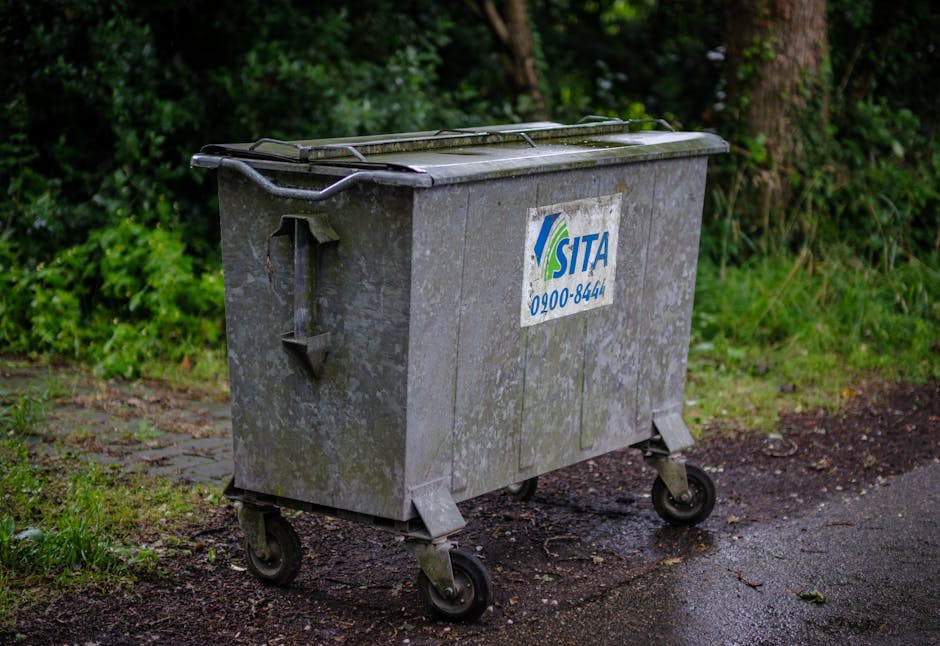
Enfield Council permits: Do you need a skip or suspension?
If you are planning a move, a clearance, or a big tidy-up in Enfield, one question tends to pop up fast: do you need a skip or a suspension? The answer is not always obvious. In some jobs, a skip permit is the right route. In others, a parking suspension for a van or lorry makes far more sense. Get it wrong and you can end up with delays, parking headaches, or extra costs. Get it right, and the whole job feels calmer. Less drama, fewer surprises.
This guide breaks down Enfield Council permits: Do you need a skip or suspension? in plain English. You will learn what each option means, when each one is usually needed, how to think through the decision, and what practical steps help you avoid the usual last-minute scramble.
Along the way, we will also look at moving scenarios where the choice matters most, from a home clear-out to a commercial relocation. If your job involves a removal vehicle, you may also find it useful to look at home moving support or commercial moves when planning the rest of the day around access and loading.
Truth be told, most people only realise this stuff matters when a vehicle is already outside and the street is tighter than expected. Better to sort it now than stand in the road later wondering why the skip lorry cannot stop where you thought it would.
Table of Contents
- Why Enfield Council permits matter
- How the permit process works
- Key benefits and practical advantages
- Who this is for and when it makes sense
- Step-by-step guidance
- Expert tips for better results
- Common mistakes to avoid
- Tools, resources and recommendations
- Law, compliance, standards, or best practice
- Options, methods, or comparison table
- Case study or real-world example
- Practical checklist
- Conclusion
- Frequently asked questions
Why Enfield Council permits: Do you need a skip or suspension? Matters
Enfield streets, like many parts of London, can be a bit of a puzzle. Parked cars, narrow roads, school-run pressure, bin day, and neighbour traffic all compete for the same patch of space. That matters because a skip, a removal van, or a furniture collection vehicle can only work well if access is planned properly.
A permit or suspension is not just red tape. It is about making sure the work can happen safely, legally, and with as little disruption as possible. If you are hiring a skip, you may need permission to place it on the public highway. If you are using a lorry, van, or other large vehicle for loading and unloading, a suspension can sometimes help protect the space you need. Different jobs, different tools.
Here is the simple version: a skip permit is usually about the container sitting in a public place. A suspension is usually about reserving parking space or restricting normal parking so a vehicle can load or unload. In a real-world move, you might need one, the other, or occasionally both depending on the street and the scale of the job.
Quick takeaway: If waste is staying on the road, think skip permit. If a removal vehicle needs space to park and work, think suspension. If both are involved, plan for both early.
That early planning can save a proper headache. Nobody wants a furniture team waiting outside while someone circles the block looking for a space. It is the kind of thing that sounds minor until you are living it.
How Enfield Council permits: Do you need a skip or suspension? Works
The decision usually starts with the physical reality of the job. Ask yourself where the item, vehicle, or container will sit. On private land? Fine. On the public highway or shared street? That is where council rules may come in.
What a skip permit usually covers
A skip permit is generally needed when a skip is placed on a public road, kerbside, or other highway-controlled area. If there is room on private property such as a driveway, forecourt, or yard, that can remove the need for a public permit. But many Enfield homes do not have that luxury, especially on busier terraces or in roads where access is tight.
The key issue is simple: if the skip touches council-controlled land, it may need approval. You will also want to think about visibility, lighting, and whether the skip could narrow the road or block access for bins, pedestrians, or emergency vehicles.
What a parking suspension usually covers
A suspension is different. It is usually arranged to stop normal parking in a specific bay or stretch of road so a removal truck, van, or loading vehicle has the room it needs. This can be useful when you need clear access for a limited time. It is especially helpful in built-up streets where parking is scarce and everyone seems to arrive home at the same time.
If you are planning a move and want the loading phase to feel smoother, using the right vehicle matters too. A properly sized moving truck or a flexible man and van service can influence whether a suspension is worth arranging.
How to decide between them
Start with the object, not the paperwork.
- If the main issue is rubbish, bulky waste, or renovation debris sitting outside, think skip permit.
- If the main issue is your removal vehicle needing a place to stop and load, think suspension.
- If you are doing a major clearance with both waste removal and a vehicle-based move, you may need to consider both.
In practice, the better question is not "Which permit sounds simpler?" It is "What will actually be on the road, and for how long?" That is the bit people often miss.
Key Benefits and Practical Advantages
Sorting the correct Enfield Council permission early gives you more than compliance. It makes the whole job easier to manage. And yes, sometimes the biggest benefit is simply not having to think about it again on moving day.
- Less disruption: You reduce the chance of a vehicle being forced to park half a street away.
- Better timekeeping: Movers, cleaners, and clearance teams can work to a proper plan.
- Lower risk of issues: You are less likely to run into complaints, fines, or avoidable delays.
- Safer loading and unloading: Clear access helps avoid awkward carrying routes and rushed lifting.
- Cleaner handover: If you are leaving a property, a tidy, well-managed clearance usually feels more professional.
There is also a quieter benefit that people rarely mention: peace of mind. When the paperwork and access are sorted, you can focus on the actual job. The kettle goes on, the boxes start moving, and the day feels more manageable. Not glamorous, but very welcome.
If you are moving a house or office and want help with the physical side of the day, you may also want to explore house removalists or office relocation services to keep the logistics in one line of sight.
Who This Is For and When It Makes Sense
This topic matters to a lot of different people, not just those ordering a skip. In fact, many callers only discover the permit question when they are already halfway through organising the move. A bit annoying, but very common.
Homeowners and tenants
If you are clearing a loft, garden, garage, or full flat, a skip may be tempting. But if the road is narrow or parking is limited, a permit is often part of the picture. If you are moving out and need a loading bay or curbside stop, a suspension may be the smarter route.
Landlords and letting agents
When a property needs end-of-tenancy clearance, the aim is often speed. Furniture, bags, and loose waste can pile up fast. A suspension helps if a removal vehicle needs space. A skip permit helps if you are removing bulky waste over a longer window. Sometimes both are useful, depending on the condition of the property.
Businesses and offices
Commercial premises often have different rhythms. Deliveries, staff cars, client visits, and service vehicles all overlap. For an office move or clearance, the permit question usually comes down to whether you need a vehicle standing space, waste container, or both. This is where a well-planned commercial move can save a surprising amount of stress.
People clearing bulky furniture
If the job is a one-off furniture pick-up, you may not need a skip at all. Sometimes a direct collection is cleaner, quicker, and cheaper than hiring a container. For a single sofa, bed frame, or set of wardrobes, a dedicated furniture pick-up can be the more sensible choice. Less mess. Less waiting around.
Anyone with a tight street or tricky access
Let's face it, some roads are just awkward. Cars on both sides, sharp corners, low branches, and nowhere to turn. If the access is tricky, do not assume a vehicle can simply stop outside. The permit question becomes much more than a formality. It becomes the difference between an orderly day and a game of musical chairs with a van.
Step-by-Step Guidance
If you are trying to work out whether you need a skip or a suspension, use a simple sequence. It keeps the decision practical rather than guessy.
- Identify the item or activity. Is it waste, furniture, removal boxes, or building debris?
- Check where it will sit. Private property usually changes the answer. Public highway usually triggers a permit conversation.
- Measure the access. Look at kerb space, bay lengths, and how much room a vehicle really needs.
- Match the tool to the task. Skip for waste storage, suspension for parking control, or a vehicle-based solution for loading.
- Build in lead time. Do not leave it to the morning of the move. That is where stress sneaks in.
- Confirm practical details. Ask about timing, placement, and what happens if access changes on the day.
If you are arranging loading help, a flexible service such as man with van can sometimes suit a shorter, simpler move. For larger loads or mixed household contents, removal truck hire may be more appropriate, but only if the street can support it.
A small but useful habit: walk the route from the front door to the road with the heaviest item in mind. You will often spot the awkward bit immediately. Low wall? Tight kerb? Shared entrance? That one-minute walk tells you a lot.
A practical decision shortcut
Use this rule of thumb:
- Waste in a container = skip permit question.
- Vehicle parking for loading = suspension question.
- Moving goods in stages = plan both access and timing carefully.
Simple enough on paper. Reality can be messier, of course, but this gets you started.
Expert Tips for Better Results
After enough move days and clearances, you start to notice the same patterns. The best jobs are rarely the most expensive. They are the best prepared.
- Choose the smallest workable vehicle. A compact vehicle can reduce access problems and may make a suspension unnecessary.
- Keep the loading window realistic. One hour sounds efficient until you are carrying wardrobes down two flights of stairs.
- Separate waste from keepers early. If you are mixing rubbish and belongings, the job gets slower and the permit decision gets fuzzy.
- Plan for neighbours. Shared streets are easier to navigate when people know what is happening.
- Leave a little slack in the day. A ten-minute delay can become a half-hour delay very quickly in London traffic.
One thing people overlook is weather. A damp morning in Enfield can make cardboard soggy and lifting heavier than expected. It sounds minor. It never feels minor when you are holding a wet box at shoulder height.
Another useful tip: if your move includes packing support, professional packing and unpacking services can shorten the time that vehicles or containers are required on the street. That often makes the permit decision easier.
Common Mistakes to Avoid
The biggest mistakes are usually the least exciting ones. People assume, forget, or leave it too late. Then the day gets expensive. Here are the ones worth watching.
- Assuming a skip can go anywhere. A roadside location often needs permission, even if the road looks quiet.
- Assuming a suspension is automatic. Parking control usually needs to be planned and requested in advance.
- Booking the vehicle before checking access. A large truck looks sensible until you realise there is nowhere legal to stop it.
- Ignoring loading time. If the crew has to keep moving a vehicle, the job slows and stress rises.
- Forgetting about neighbours and access users. Bin collections, deliveries, and front-door access matter more than most people expect.
- Leaving permit decisions until the last minute. That is where avoidable chaos starts. Quietly, almost politely, and then suddenly it is chaos.
One more subtle mistake: using a skip when the job really calls for a pickup. If the only thing leaving the property is a few large items, a direct collection can be much more efficient than trying to manage a container, a permit, and extra street space.
Tools, Resources and Recommendations
You do not need a huge toolkit to make a sensible decision here. A few basics go a long way.
- Phone camera: Take photos of the street, kerb space, and access points before you book anything.
- Measuring tape: Useful for checking driveways, bay widths, and furniture dimensions.
- Floor plan or rough sketch: Handy for offices and larger homes, especially if items must pass through narrow spaces.
- Calendar with buffers: Leave room for delivery times, permit windows, and loading delays.
- Clear item list: Helps you decide whether the job is waste-led, move-led, or a mix of both.
For businesses, planning the physical side of the relocation can be just as important as the paperwork. A coordinated move with the right vehicle and loading plan can reduce office downtime. If that is your world, take a look at moving truck options alongside your broader relocation plan.
If you are hiring help for lifting, carrying, or transport, it is also worth reviewing the company information carefully. Pages like about us and terms and conditions can give useful context about how the service is run and what to expect before you book.
And if you are comparing services or want to ask about access issues directly, the contact us page is the best place to raise specific timing or street-layout concerns before moving day.
Law, Compliance, Standards, or Best Practice
Without getting bogged down in legal jargon, the important point is that public highway use is typically controlled. That means if a skip, vehicle, or other item is occupying space that belongs to the council or is managed by the highway authority, you should expect permission requirements and conditions.
Best practice is to treat access control seriously even when the job looks small. A modest-looking skip can still cause issues if it blocks sight lines or narrows the road. A van parked across a bay can also create problems if it has not been properly arranged. In busy London streets, these things matter. A lot.
The safest approach is to check the exact requirements before the job starts, not after. That includes:
- whether the item will be on private or public land
- how long the space is needed
- whether a vehicle needs a reserved place to stop
- what the surrounding traffic and parking pattern looks like
- whether anything could obstruct pedestrians, bins, or deliveries
If your job involves waste, loading, or a vehicle sitting roadside for a period, it is wise to keep a record of your plan and communicate clearly with everyone involved. That is not overkill. It is just smart working.
Options, Methods, or Comparison Table
If you are still weighing things up, this comparison may help. It is not about which option is "better" in the abstract. It is about what fits the job in front of you.
| Option | Best for | Main benefit | Watch out for |
|---|---|---|---|
| Skip permit | Waste, refurbishment debris, bulky clearance items | Keeps waste in one place | Needs road space and proper placement |
| Parking suspension | Removal vans, loading, unloading, restricted streets | Creates usable parking space | Must be timed carefully |
| Man and van | Smaller moves, flexible access, quick turnaround | Often simpler in tighter streets | May still need parking planning |
| Removal truck hire | Large loads, structured moves, bigger properties | Handles more in fewer trips | Needs sufficient street access |
As a practical matter, smaller jobs often work best with a lighter-touch setup, while bigger household or office moves benefit from more structured vehicle planning. If you are somewhere in the middle, a man with van arrangement can be a neat compromise. Not always, but often enough.
Case Study or Real-World Example
Picture a typical Enfield street on a weekday morning. A family is moving out of a two-bedroom terrace. They have a wardrobe, several boxes, a mattress, and a few items that are not worth taking to the new place. Nothing dramatic, but enough to make the road space matter.
At first, they think about hiring a skip because there are a few bulky items to throw away. Then they realise the real issue is the removal vehicle. There is no driveway, the road is narrow, and parking fills quickly. A skip would solve the waste problem, but not the loading problem. In the end, the better approach is to arrange the moving vehicle first, secure a temporary parking arrangement if needed, and handle the unwanted items separately.
That decision saves them from trying to force one solution to do two jobs. The result is simpler: belongings go out efficiently, unwanted items are dealt with properly, and the street does not become a bottleneck. Everybody breathes a little easier. Even the neighbour who usually knows everyone's business.
A second example: a small office clearing old filing cabinets and broken chairs. Here, the balance shifts. The team is not moving into a new building straight away; they are clearing waste and old furniture before refitting. A permit question still matters, but the bigger issue is where the waste will sit and how long it will need to remain accessible. In that case, the planning leans more towards waste storage and access control than a standard home move.
Practical Checklist
Use this checklist before you book anything. It keeps the decision grounded.
- Is the skip, vehicle, or item going on private land or the public highway?
- Do you need space for waste storage, vehicle loading, or both?
- Is the street narrow, busy, or heavily parked?
- Have you measured the access route and parking space?
- Have you allowed enough time for loading, unloading, and delays?
- Do you know whether your job is a home move, office move, or clearance?
- Have you checked whether a smaller vehicle would solve the access issue?
- Have you separated waste from reusable items?
- Have you told neighbours or building management if needed?
- Have you built in a little buffer so the day does not unravel at 9:15 a.m.?
Practical summary: If the item sits roadside, think permit. If the vehicle needs reserved space, think suspension. If the task involves both, plan both early and keep the setup as simple as possible.
Get a free quote today and see how much you can save.
Conclusion
So, do you need a skip or a suspension in Enfield? In short, it depends on what is being placed on the road and how the space will be used. A skip permit is generally about waste containers on public land. A suspension is generally about reserving parking or stopping normal parking so a vehicle can load or unload. The trick is to match the tool to the task, not the other way around.
That sounds simple, and sometimes it is. But the best decisions are made before the first box moves, not after the van arrives. A few minutes of planning can save hours of frustration. And in a busy part of London, that is worth a lot.
If you are still unsure, pause, look at the street, and think about the real shape of the job. You will usually know the answer once the space, timing, and vehicle are all in view. Then it gets easier. Much easier.
Frequently Asked Questions
Do I need a skip permit in Enfield if the skip is on the road?
Usually, yes, if the skip is placed on a public road or other council-controlled highway area. If it is entirely on private land, the answer may be different. The key is where the skip sits, not just how long it stays there.
What is the difference between a skip permit and a parking suspension?
A skip permit is about allowing a container to sit on public land. A parking suspension is about reserving or restricting a parking space so a vehicle can use it for loading, unloading, or access. They solve different problems.
When would I choose a suspension instead of a skip?
If your main issue is getting a removal van, truck, or loading vehicle parked close to the property, a suspension may be the better option. It is especially useful on streets where parking is tight and you need room right outside the property.
Can I use a man and van service instead of hiring a skip?
Sometimes, yes. If you are moving items rather than storing waste, a vehicle-based service can be simpler. For smaller jobs, a man and van arrangement may be more practical than dealing with a skip at all.
Do I need both a skip permit and a suspension?
Occasionally, yes. For example, if you are clearing waste and also need a vehicle to load belongings from a tight street, both may come into play. It depends on the exact setup and how much roadside space you need.
How far in advance should I plan this?
As early as you can. Last-minute planning is where problems appear. Even if your job is straightforward, give yourself enough time to sort access, vehicle size, and permission requirements before the day arrives.
What happens if I get the access plan wrong?
You may face delays, extra moving time, awkward parking, or the need to change the plan on the spot. In some cases, that can also mean extra cost. It is better to check the details early than to improvise under pressure.
Is a furniture pick-up better than a skip for bulky items?
Often, yes, if the items are being removed rather than stored. A dedicated furniture collection can be quicker and cleaner for sofas, beds, wardrobes, and similar items. It avoids filling a skip with items that do not really need one.
Can an office move need a parking suspension?
Absolutely. Office moves often involve larger vehicles, loading teams, and tight time windows. If the building has limited access or on-street parking, a suspension can help create a practical loading area.
What if my property has a driveway?
If the skip or vehicle can stay fully on private land, you may not need a council permit. But check the dimensions carefully. A driveway that looks roomy enough can be tighter than expected once a vehicle or container is actually in place.
Who should I speak to if I am unsure?
Start with the service provider handling the move or clearance. A good team will usually help you think through vehicle size, access, and timing. If you need to arrange the move itself, the contact us page is a sensible place to ask about the practical side.
Can packing help reduce permit pressure?
Yes. Faster packing and better organisation can shorten the time needed for loading or unloading, which may reduce how long a parking space needs to be controlled. That is one reason some people choose packing and unpacking services before a move.